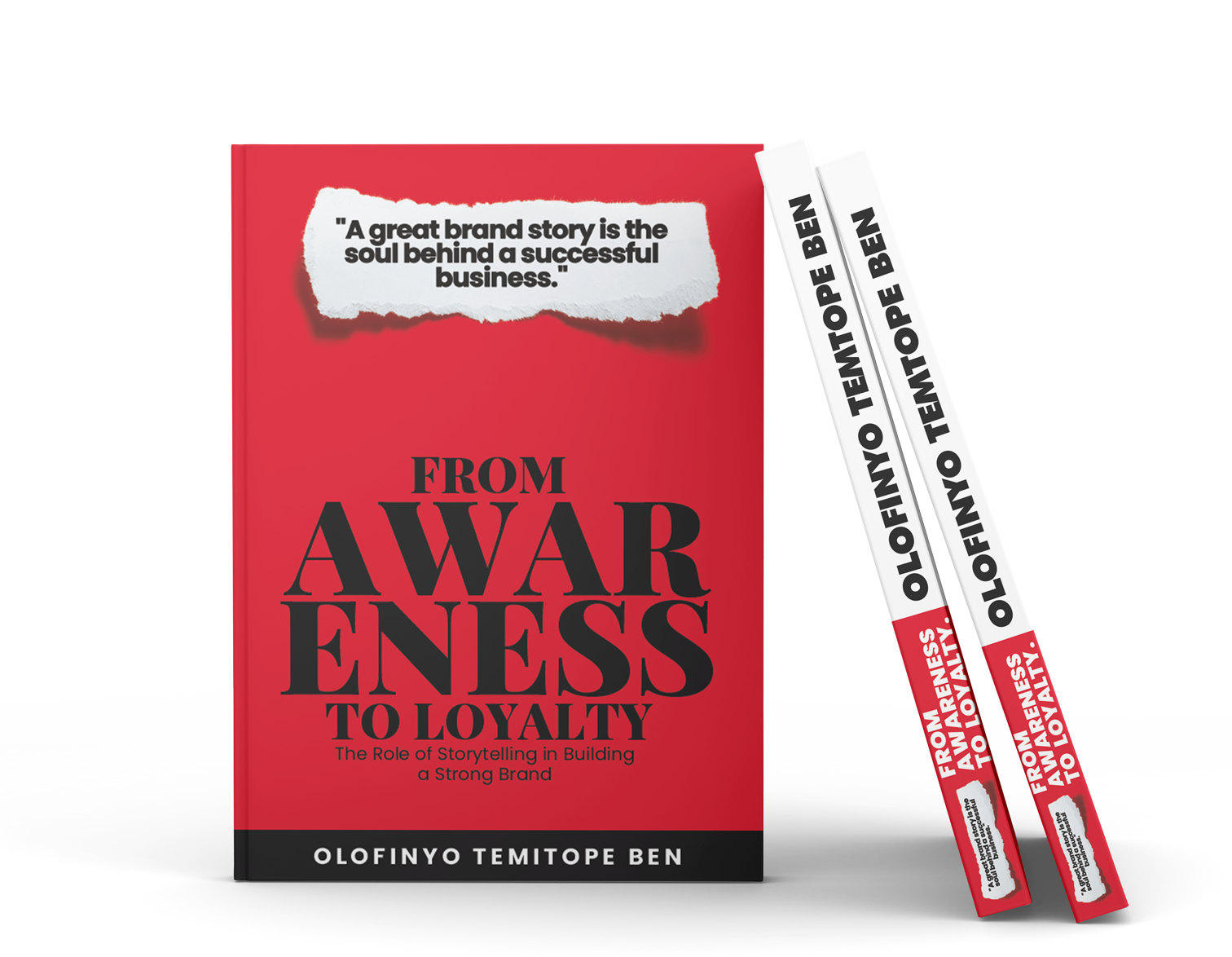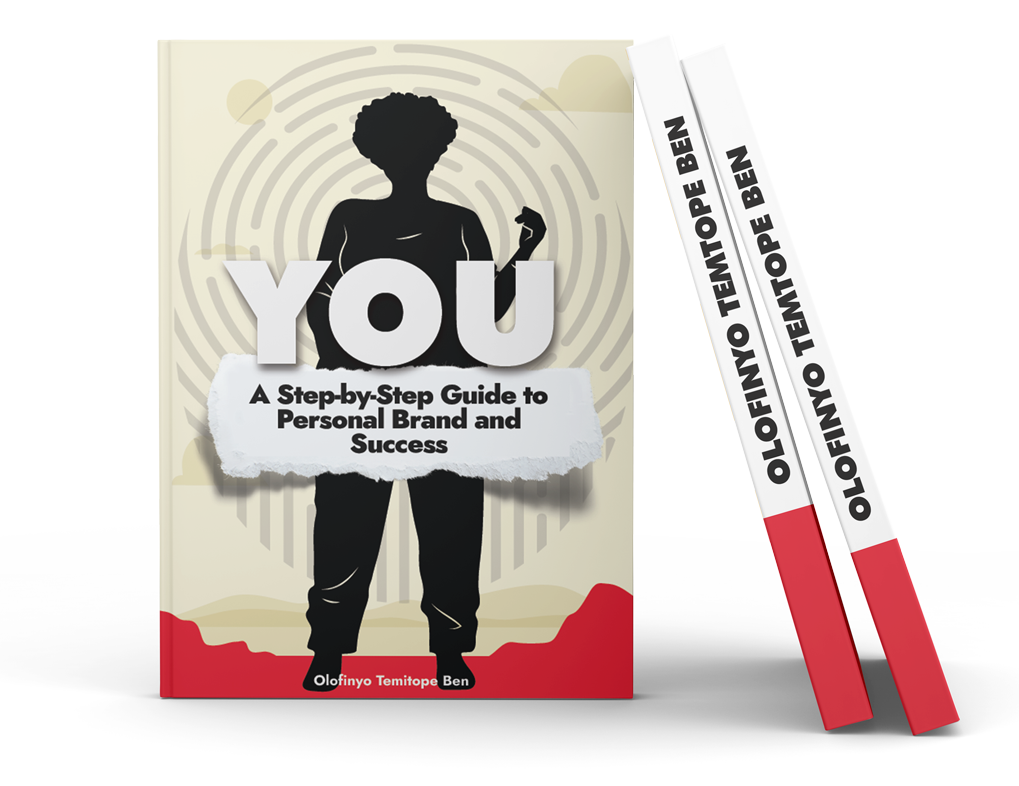


This is not one of those boring "marketing textbooks disguised as a blog post."
This is a branding dictionary for entrepreneurs, founders, hustlers, and business owners who are tired of guessing, copying competitors, or confusing logo design with brand power.
Read this slowly. Bookmark it. Return to it often.
Because branding is not decoration. Branding is domination.
Audience
The specific group of people your brand exists to serve.
If you're trying to speak to everyone, you will resonate with no one. Brands that win pick their people and ignore the rest.
Authenticity
Being consistent with who you truly are, not pretending to be "premium" today and "street" tomorrow.
Customers don't reward perfection. They reward truth.
Brand
What people say about you when you are not in the room.
Not your logo. Not your colors. Not your slogan.
Your brand is your reputation multiplied by visibility.
Brand Equity
The value your brand name adds to your product or service.
Why people pay more for Nike shoes when cheaper options exist.
Equity is earned, not designed.
Brand Identity
The visible elements of your brand—logo, colors, typography, imagery.
Think of this as your brand's outfit, not its personality.
Brand Promise
The expectation you set and must consistently deliver.
If you break it once, trust leaks. If you break it often, your brand dies.
Consistency
Doing the same right thing repeatedly until the market trusts you.
In branding, boring consistency beats creative inconsistency every time.
Customer Experience (CX)
Every interaction someone has with your brand—from Instagram DM to after-sales support.
A bad experience can destroy years of good branding.
Credibility
The reason people believe you.
No credibility? No trust. No trust? No sales.
Differentiation
The reason you are chosen over others.
If you cannot clearly explain why you are different, the market will treat you as a commodity.
Brand DNA
Your core beliefs, values, tone, and philosophy.
Trends change. DNA should not.
Emotional Connection
The invisible bond between your brand and your customer.
People don't buy logically. They justify logically after buying emotionally.
Engagement
How actively people interact with your brand.
Likes, comments, replies, shares—these are signs of relevance, not vanity.
Brand Funnel
The journey from awareness to loyalty.
If you know people but don't trust them, your funnel is broken.
Founder Brand
When the personality, values, and voice of the founder amplify the business.
Used correctly, it accelerates trust. Used wrongly, it becomes ego marketing.
Brand Guidelines
The rulebook for how your brand looks, sounds, and behaves.
Without guidelines, every designer and marketer will freestyle—and chaos will follow.
Brand Heritage
Your story, history, and origin.
People connect deeply to why you started, not just what you sell.
Brand Image
How the public perceives your brand at any given moment.
You don't control it completely—but your actions heavily influence it.
Insight
A deep understanding of your audience's fears, desires, and motivations.
Without insight, marketing becomes noise.
Logo
A symbol of your brand, not the brand itself.
A bad business cannot be saved by a beautiful logo.
Loyalty
When customers return, refer, and defend your brand.
Loyalty is proof that your branding works.
Market Positioning
Where your brand sits in the mind of your audience relative to competitors.
If you don't position yourself, the market will position you—and you may not like it.
Messaging
The words you use to communicate value.
Clarity beats cleverness.
Perception
Reality in the marketplace.
You may mean well, but perception decides your fate.
Positioning Statement
A clear internal declaration of who you serve, what you offer, and why it matters.
If your team doesn't understand this, alignment is impossible.
Reputation
The long-term result of your actions, promises, and consistency.
Reputation compounds—both positively and negatively.
Rebranding
Not changing colors because sales are low.
True rebranding is strategic realignment, not cosmetic surgery.
Storytelling
Using narrative to communicate value and meaning.
Facts inform. Stories persuade.
Brand Strategy
The master plan guiding all branding decisions.
Design without strategy is decoration.
Tone of Voice
How your brand sounds when it speaks.
Formal, playful, bold, calm—pick one and own it.
Trust
The currency of strong brands.
Once lost, it is expensive to regain.
USP (Unique Selling Proposition)
The single strongest reason someone should choose you.
If your USP sounds like everyone else's, it isn't unique.
Values
The principles your brand stands for and demonstrates consistently.
Customers don't just buy products anymore—they buy alignment.
Word of Mouth
The most powerful branding channel.
People trust people more than ads.
Why (Brand Purpose)
The deeper reason your brand exists beyond profit.
People don't follow businesses. They follow belief systems.
Zeitgeist
The cultural mood of the time.
Great brands understand culture, but they don't chase every trend.
Final Thought
Branding is not about looking big.
It is about being clear, trusted, and chosen.
If you master these terms—and more importantly, apply them—your brand will stop begging for attention and start commanding respect.
That is the difference between a business that survives
and a brand that leads.
—
Olofinyo Temitope Ben
Brand Strategist